

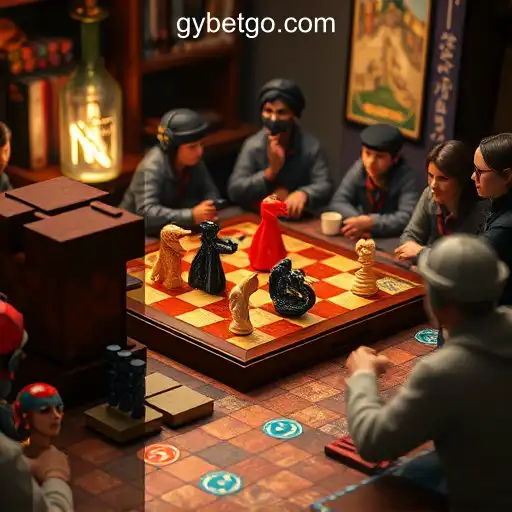
Exploring the Fascinating World of Tabletop Games
Tabletop games have captivated audiences for generations, evolving from simple board games to intricate and dynamic experiences that require both strategy and creativity. These games are not only a source of entertainment but have become a cultural phenomenon across the globe. Individuals of all ages engage in various forms of tabletop gaming, whether they are gathered around a kitchen table or participating in competitive gaming events.
The Rich History of Tabletop Games
The history of tabletop games dates back to ancient times, with evidence of games being played as far back as 5000 BC. Traditional board games like Senet in ancient Egypt and Go in East Asia set the early foundations for hundreds of variations that followed. During the 20th century, iconic games such as Monopoly and Scrabble established themselves as staples in family traditions worldwide.
With the advent of modern technology, tabletop games have continued to evolve, offering digital adaptations and increasing accessibility through the internet. This digital integration complements the tactile and social experience, making tabletop gaming a versatile and enduring pastime.
Types of Tabletop Games
Tabletop games can be categorized into several types, each offering unique gameplay and challenges. Traditional board games, such as Chess and Checkers, utilize strategy and planning skills, while modern games like Catan and Ticket to Ride focus on resource management and cooperation.
Card games such as Magic: The Gathering and Pokemon have spawned competitive communities that host tournaments around the world. Meanwhile, role-playing games (RPGs) like Dungeons & Dragons allow players to immerse themselves in imaginary worlds, encouraging creativity and storytelling abilities. These variations provide a gamut of gameplay styles to cater to diverse interests and skill levels.
The Social and Cognitive Benefits of Tabletop Games
Tabletop games bring numerous benefits that extend beyond entertainment. They foster social interaction, encourage communication, and build strong relationships. Gathering around a game encourages players to engage with one another, fostering a sense of community. In addition, these games can enhance critical thinking, problem-solving skills, and mental dexterity, making them an enjoyable way to sharpen cognitive capabilities.
Furthermore, tabletop games are inclusive and accessible. People from various backgrounds can participate, providing opportunities for diverse perspectives and inclusive play. The collaborative nature of many games encourages teamwork and shared experiences.
The Rise of Modern Tabletop Gaming
The current landscape of tabletop gaming is more robust than ever. With the increasing popularity of digital platforms, games like Tabletop Simulator allow users to experience a wide variety of games virtually, bridging geographic boundaries and creating global communities. This has led to a surge in popularity where traditional physical board games are often complemented by their digital counterparts.
The success of crowdfunding platforms like Kickstarter shows the immense support for innovative game concepts. Emerging designers can bring new ideas to life, enriching the market with fresh perspectives and unique gameplay mechanics.
Tabletop Games Within the Casino Culture
GY bet Top cassino online no Brasil👈 has also found resonance within the casino culture, where several games have inspired or directly transitioned into casino favorites. Games like Poker and Blackjack have their roots in tabletop gaming, now deeply ingrained in the casino atmosphere. While traditional casinos offer these experiences in person, online platforms provide a digital venue that broadens accessibility to more players.
In Brazil, the intersection of tabletop games and casino culture merges traditional gameplay with modern innovations, as digital casino platforms become increasingly prevalent. These platforms offer both classic games and cutting-edge variations, contributing to a vibrant gaming culture.
The Future of Tabletop Games
As society continues to integrate technology into daily life, the future of tabletop games remains promising. Innovations in augmented reality (AR) and virtual reality (VR) present exciting opportunities for immersive gameplay. Additionally, the emphasis on educational and therapeutic applications positions tabletop games as valuable tools beyond leisure.
The passion for tabletop gaming continues to thrive, with enthusiasts constantly searching for new ways to experience their favorite games. Whether through traditional gatherings or online communities, tabletop games offer a rich and dynamic experience that transcends boundaries. As interest grows, tabletop games are set to remain a cherished form of entertainment and social engagement.